Design thesis
Accessible immediately. Deep indefinitely.
Simple actions should combine into a decision space with no practical ceiling on mastery.
Founder · Competitive systems thinker · AI-native builder

From Pavo and top-level POPULATION: ONE (Pop1) competition to Studio PC and PCBR, I work at the intersection of technology, systems, and human performance.
Explore the workFounder & Chief Executive, Pavo
Top-20 POPULATION: ONE (Pop1) competitor
Building PCBR with AI
Career chapters
One reverse-chronological record—from what I am building now back to the competitive systems that taught me how to learn.
Studio PC / PCBR · 2026–present
Co-founding and designing an original VR battle royale intended to welcome a new player immediately while continuing to reward mastery after thousands of hours.
Current venture / 2026
PCBR grows directly from years spent studying why certain games remain strategically alive at the highest level. The design goal is not complexity for its own sake, but a dense interaction of movement, aim, positioning, building, information, and decisions that remains understandable moment to moment.
Our development process is deliberately prototype-first. In early Play in Editor tests, we use the minimum implementation needed to validate an interaction's feel, logic, integration, and performance before investing in visual polish.
Watch the weapon-wheel PIE testDesign thesis
Simple actions should combine into a decision space with no practical ceiling on mastery.
Current build
Developing the game’s foundational movement, combat, construction, and online-play systems.
My role
Translating competitive intuition into mechanics, tuning frameworks, documentation, and executable development work.
Development method
The early weapon wheel looks unfinished by design: first prove that the logic works, the interaction feels right, and performance holds up—then refine the presentation.
AI-native experiments · 2026
Using frontier AI as a practical collaborator across research, strategy, software, design, documentation, and operations.
AI research system · 2026
An interactive graph connecting semiconductor equipment, chip production, compute infrastructure, frontier labs, and downstream adopters—built to make complex dependencies and economic flows explorable.
AI-native building / 2026
Butter is a watch-focused application built as an experiment in turning a product idea into working software with AI as a development partner. The broader experiment is the workflow itself: learning where advanced models can investigate, reason, prototype, critique, and execute alongside a human operator.
Butter
A focused product experiment in AI-assisted software development and rapid iteration.
Workflow
Using AI across code, product thinking, research, visual design, writing, and operational systems.
This site
This portfolio was designed, written, built, refined, and deployed through that same collaborative process.

Pavo · Co-founder & Chief Executive · 2017–2022
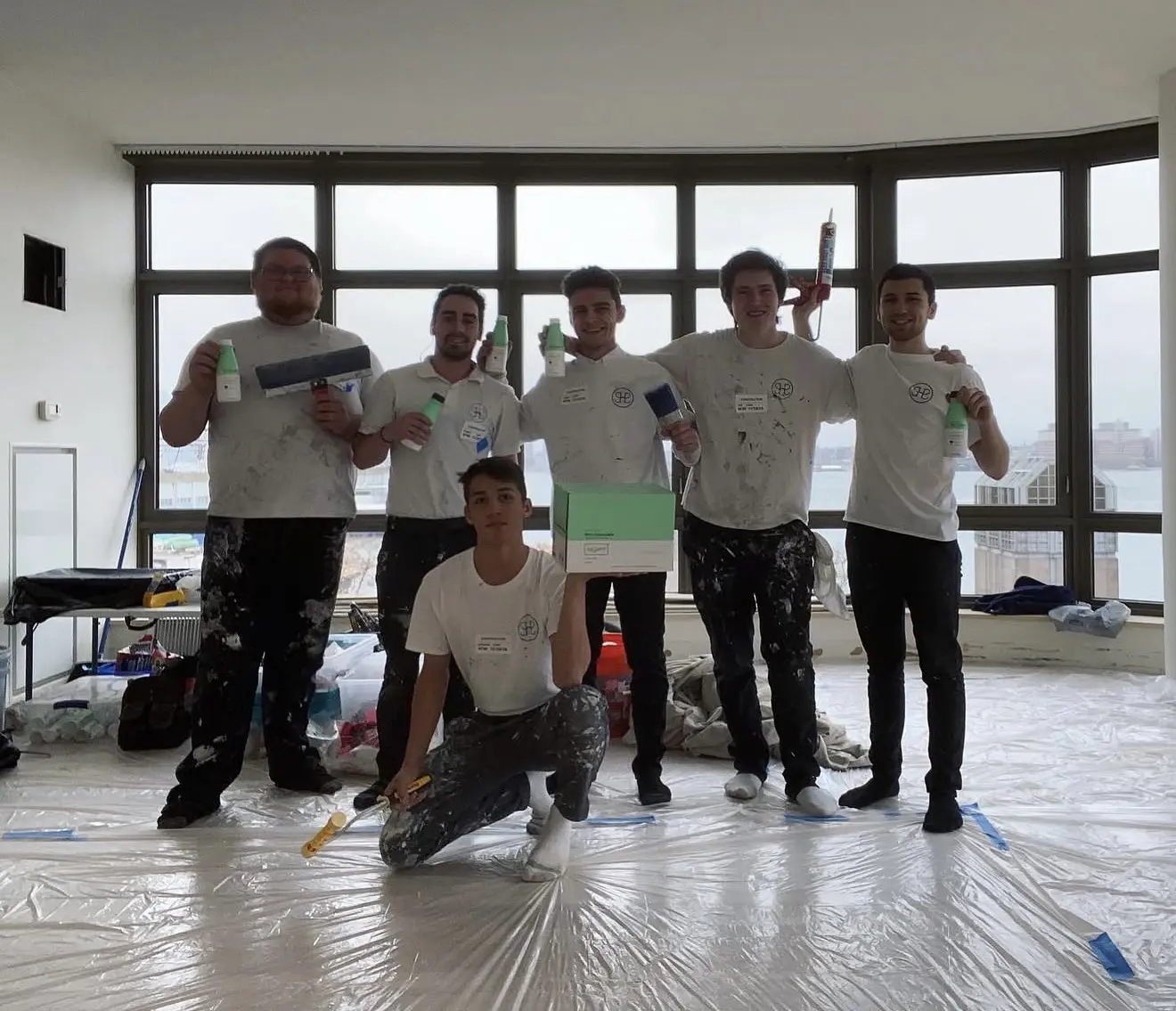
Built a real operating business while two product teams developed software and hardware intended to change how the work was sold and performed.
The operating thesis
Pavo was both a painting company and a proving ground. The service business reached approximately $300K in peak annual revenue and employed 13 people concurrently while I was 20. The larger ambition was to develop a suite of useful products, refine them through daily field use, and eventually combine them with SOPs, branding, and marketing into a franchiseable operating system.
We ran two distinct product efforts at the same time: one team built estimating and proposal software; another developed a pressure-fed paintbrush and its supporting hardware.
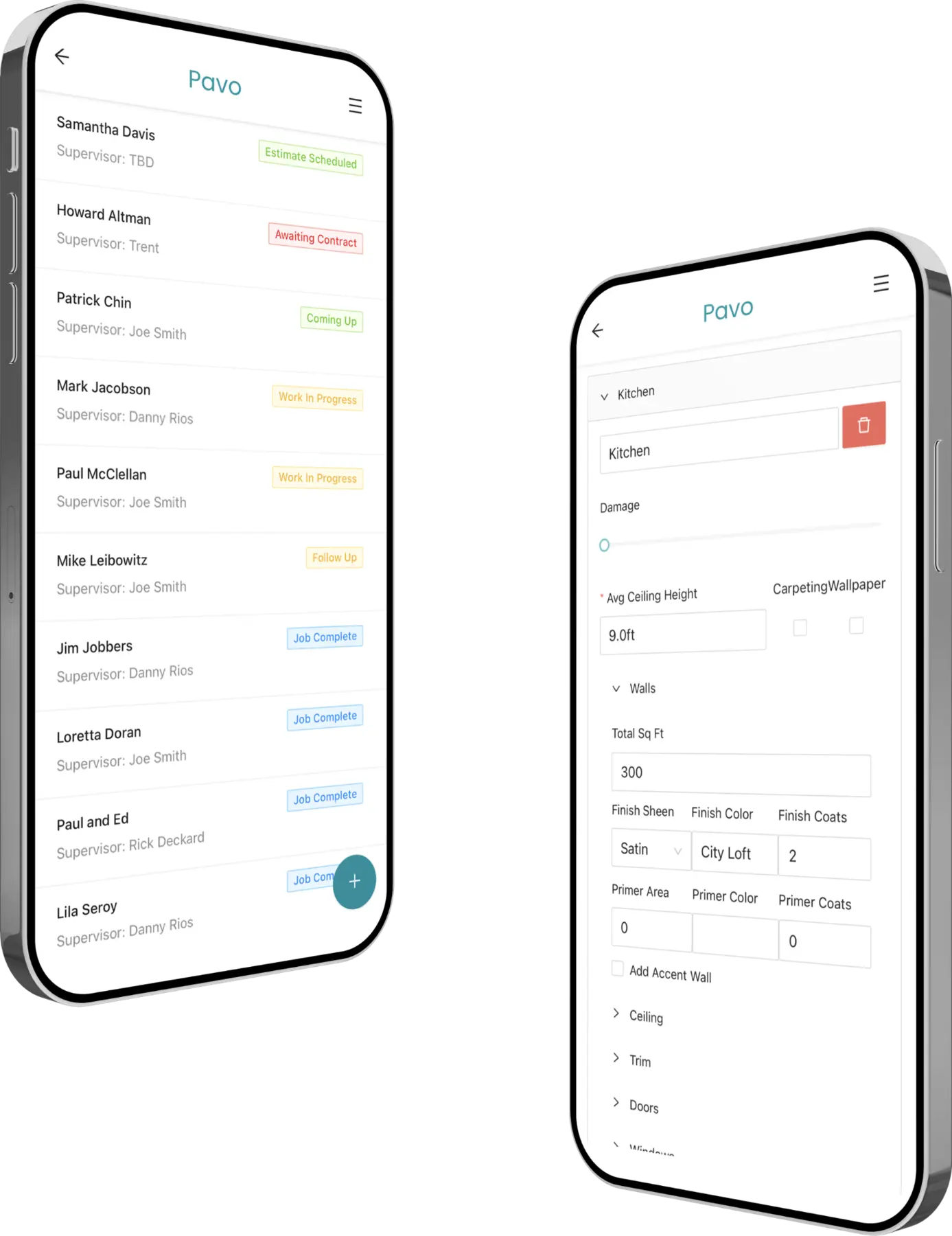
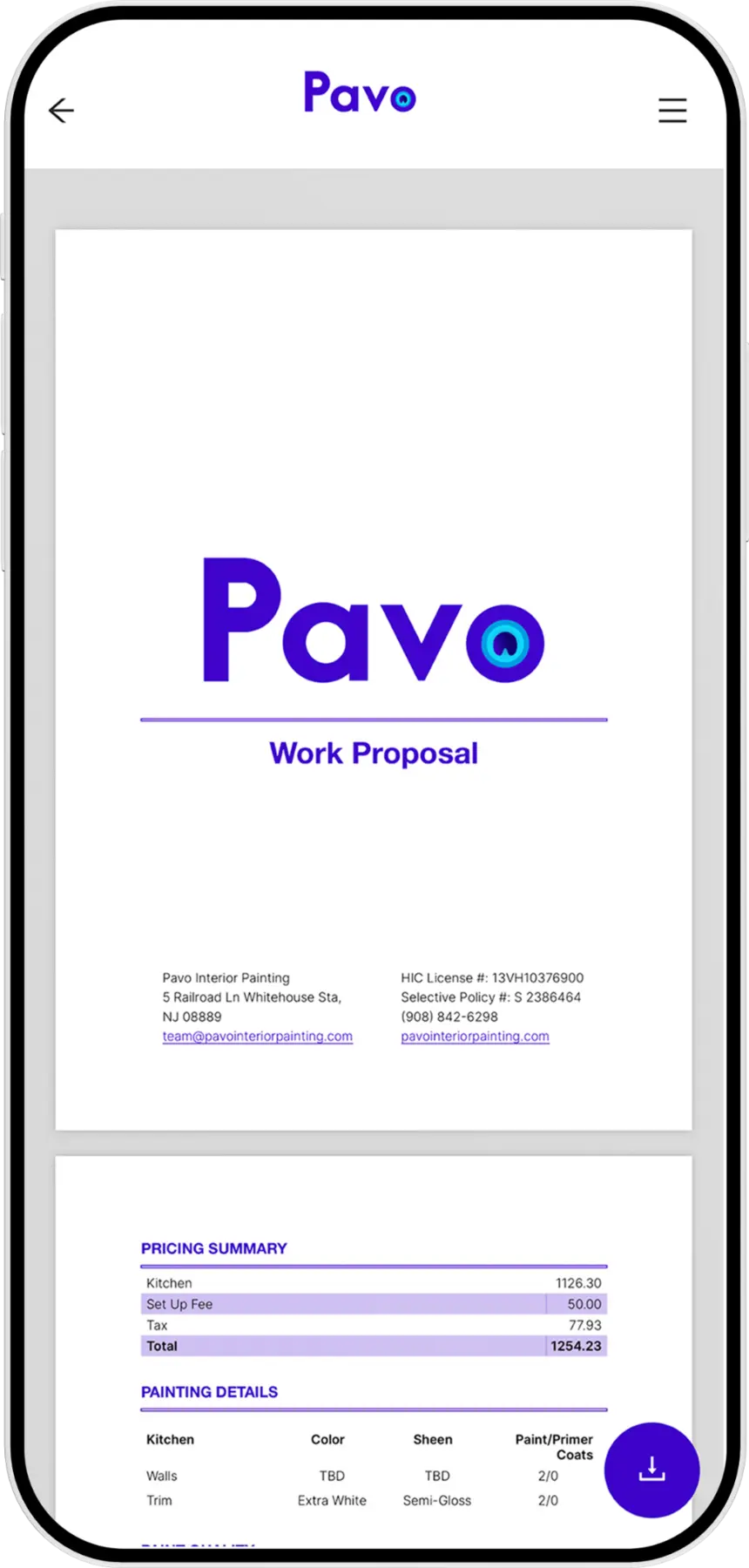
Product team 01 / Software
The mobile app captured room measurements, surfaces, finishes, and project details, then turned them into a finished work proposal that could be reviewed with the homeowner during the estimate. It was designed to eliminate hand-typing proposals later and create a better opportunity to close the sale in person.
Product team 02 / Hardware
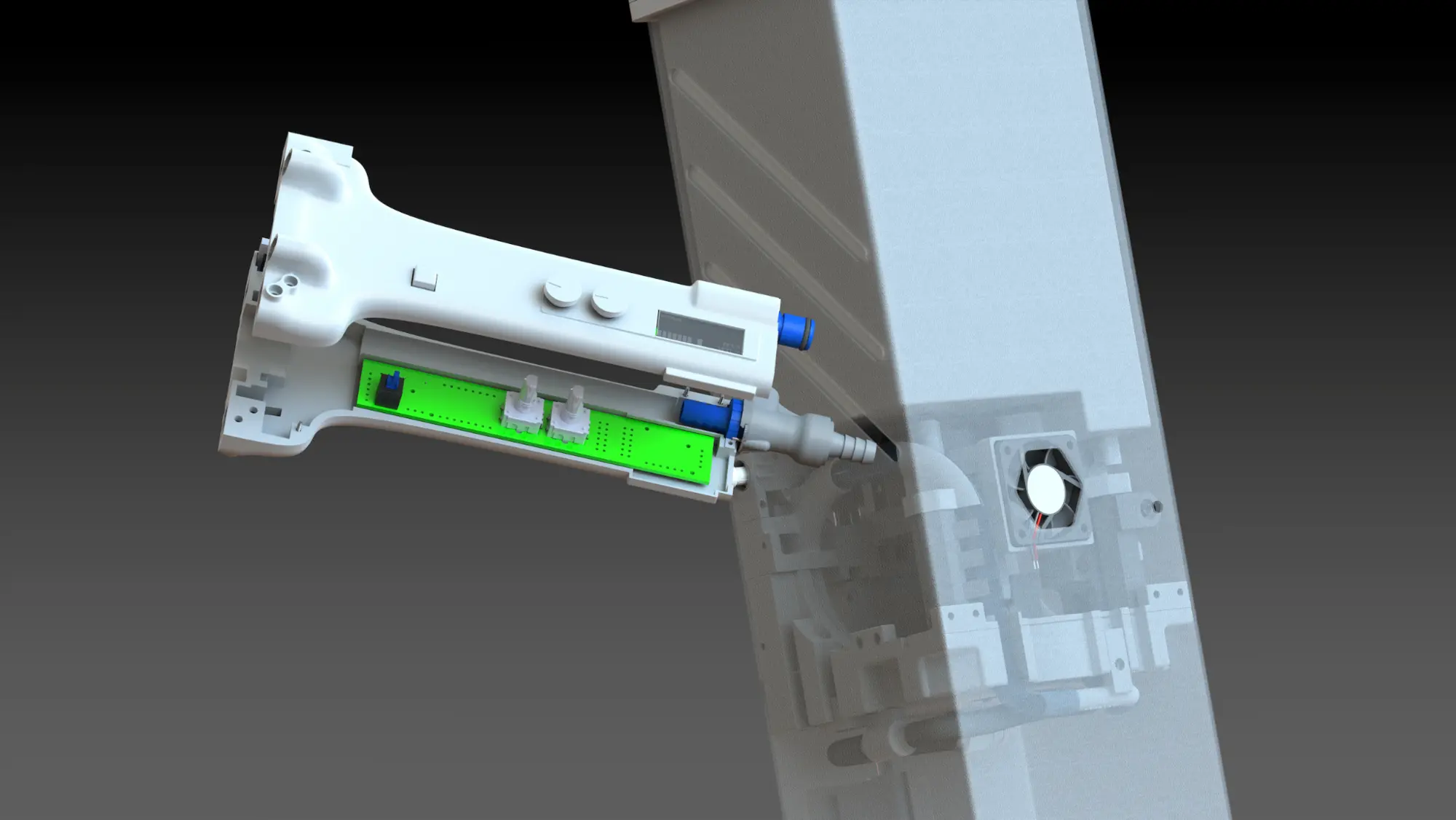
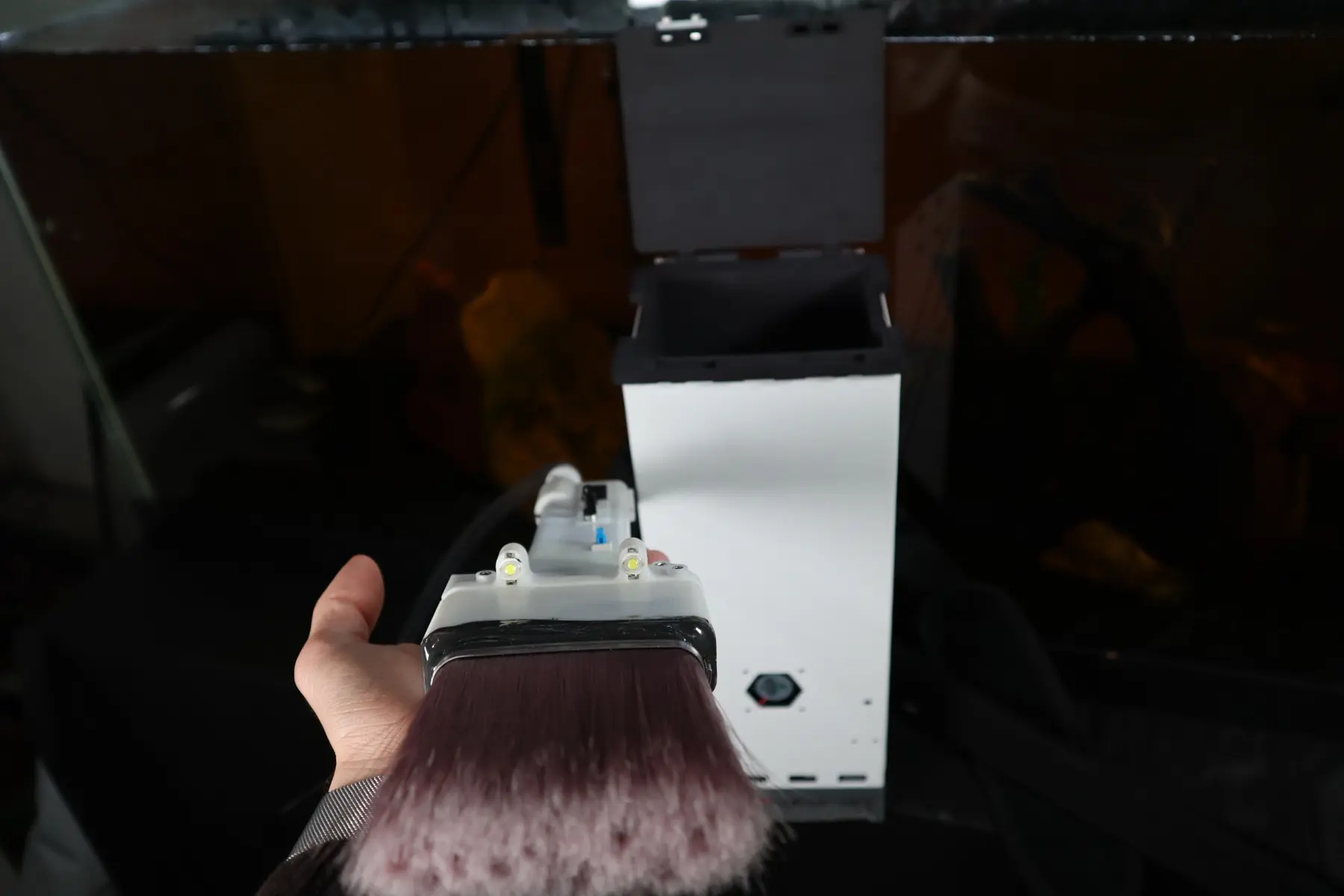
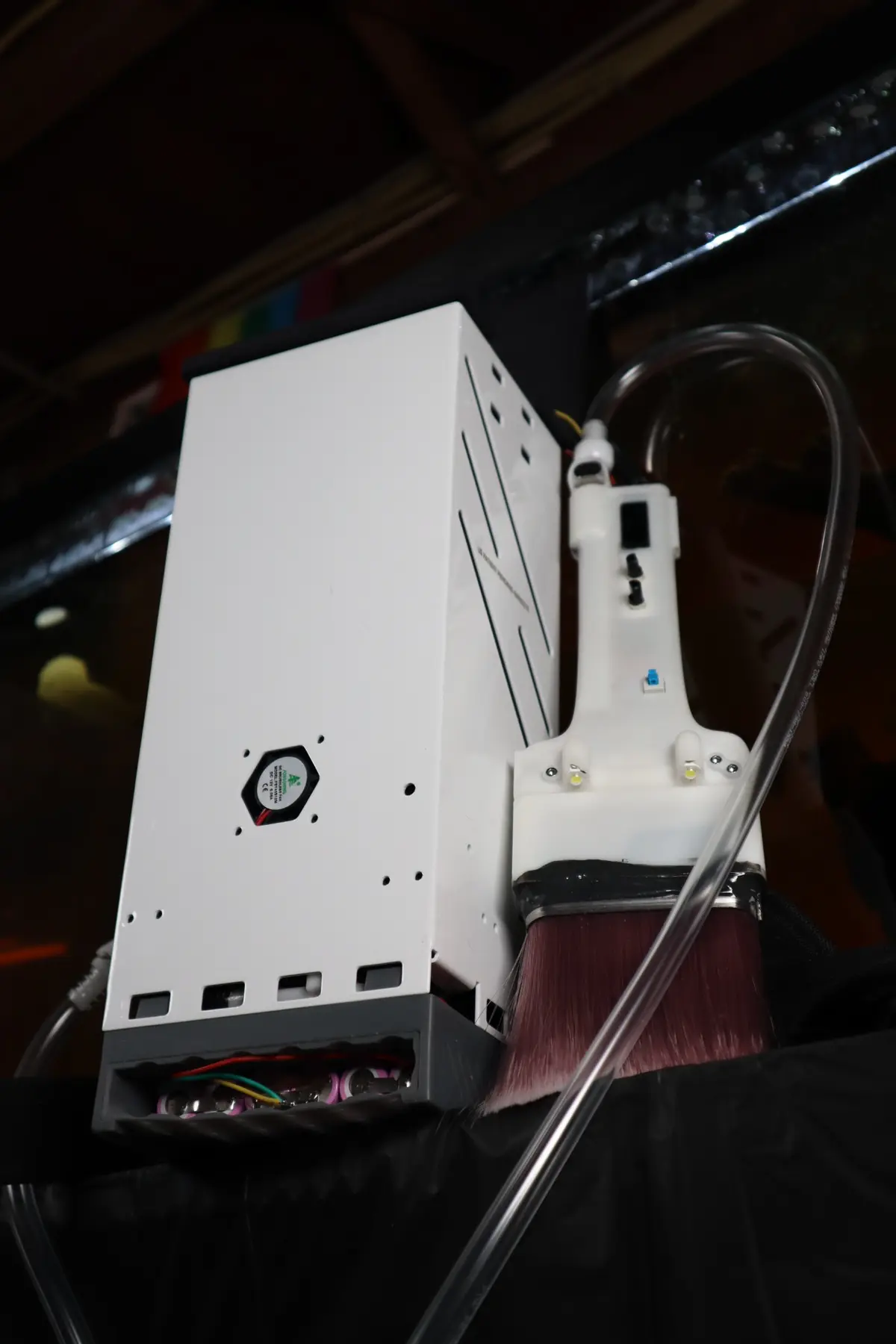
Instead of treating the brush as a single disposable object, we separated it into durable and consumable modules. The invention ultimately reached a notice of allowance in the patent process.
Swap without shutting down
The lithium-ion battery pack, paint reservoir, external tubing, and bristle head were all hot-swappable. A fresh battery could charge during use; paint products or colors could be changed without cleaning the entire system; and the premium handle could outlive many sets of bristles.
Paint delivery
A peristaltic pump was selected for longevity and adequate pressure. Because the backpack reservoir sat above the pump, gravity and negative pressure made priming straightforward. Flexible tubes delivered paint near the bristle tips instead of soaking the ferrule and full length of the brush.
Control at the handle
A capacitive touch trigger avoided a paint-clogged moving button, while a dial adjusted pump speed and therefore flow rate. LEDs on both sides of the ferrule illuminated cut lines in dark corners and behind fixtures such as toilets.
Electronics & cooling
A custom PCB in the handle received user inputs and powered the lights. A second PCB in the backpack controlled the motor and pump. A small laptop fan cooled the motor during sustained use.
Historical material; descriptions and figures reflect the company at the time the deck was created.
Beyond the products
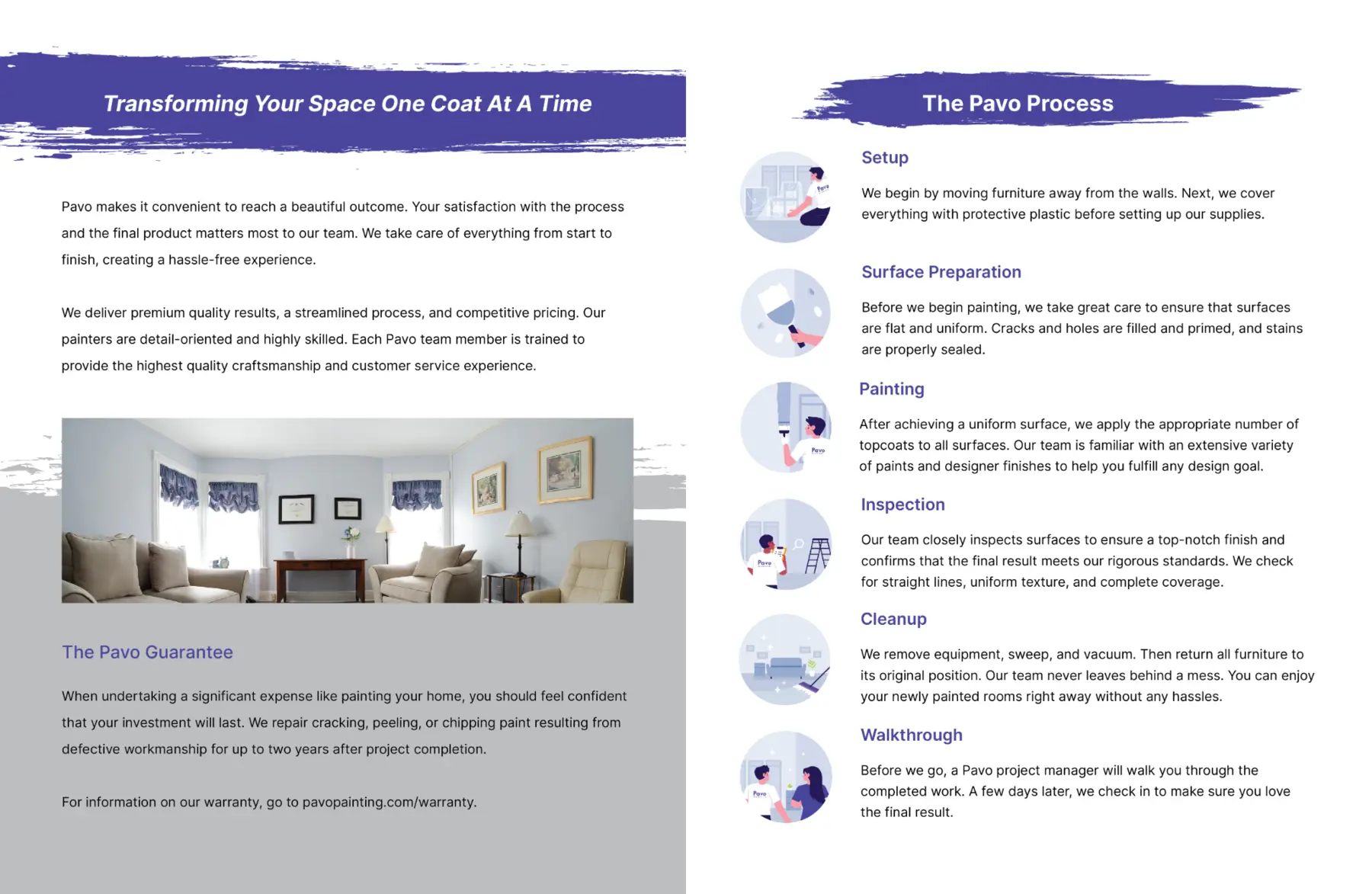
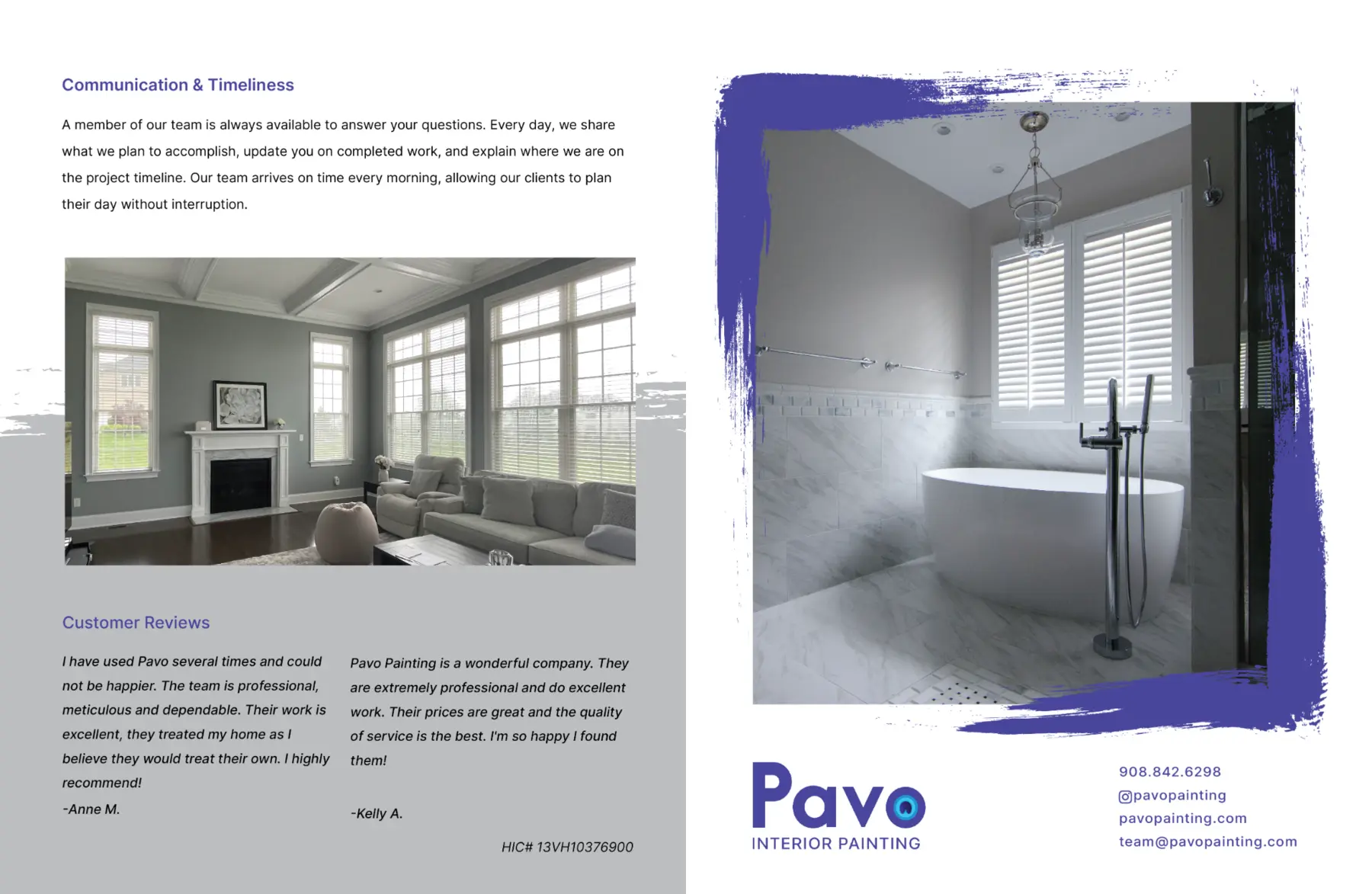
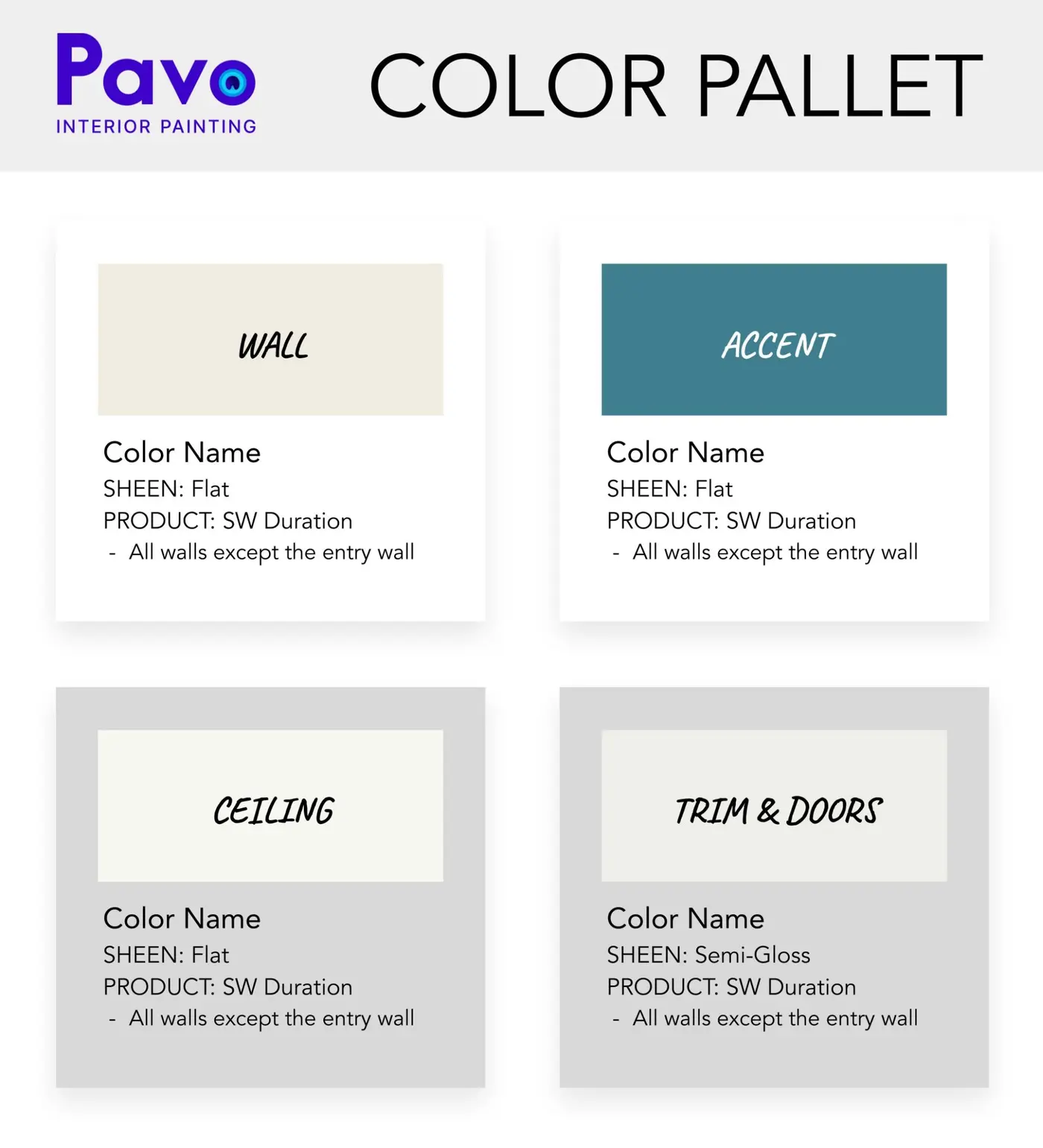
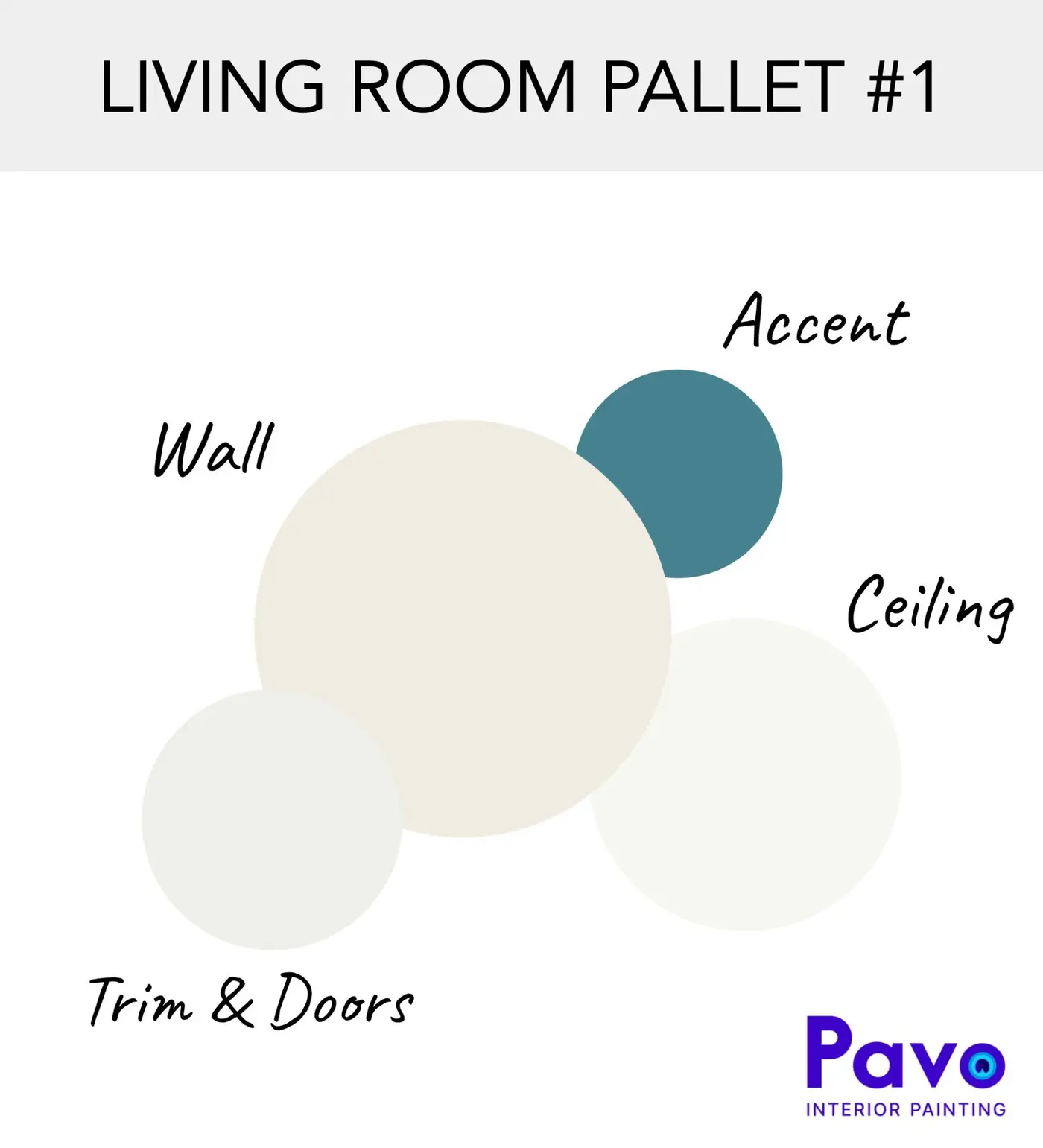
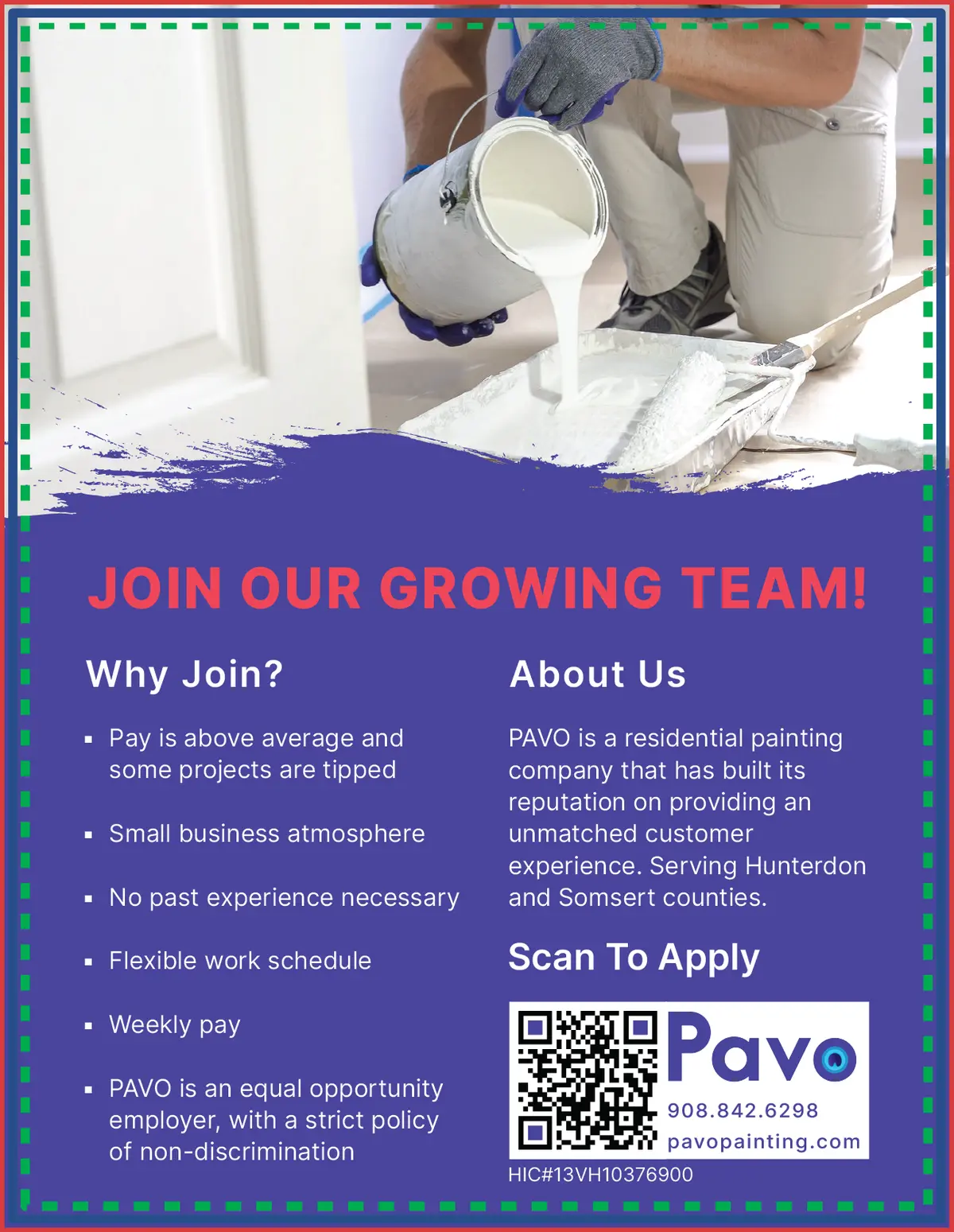
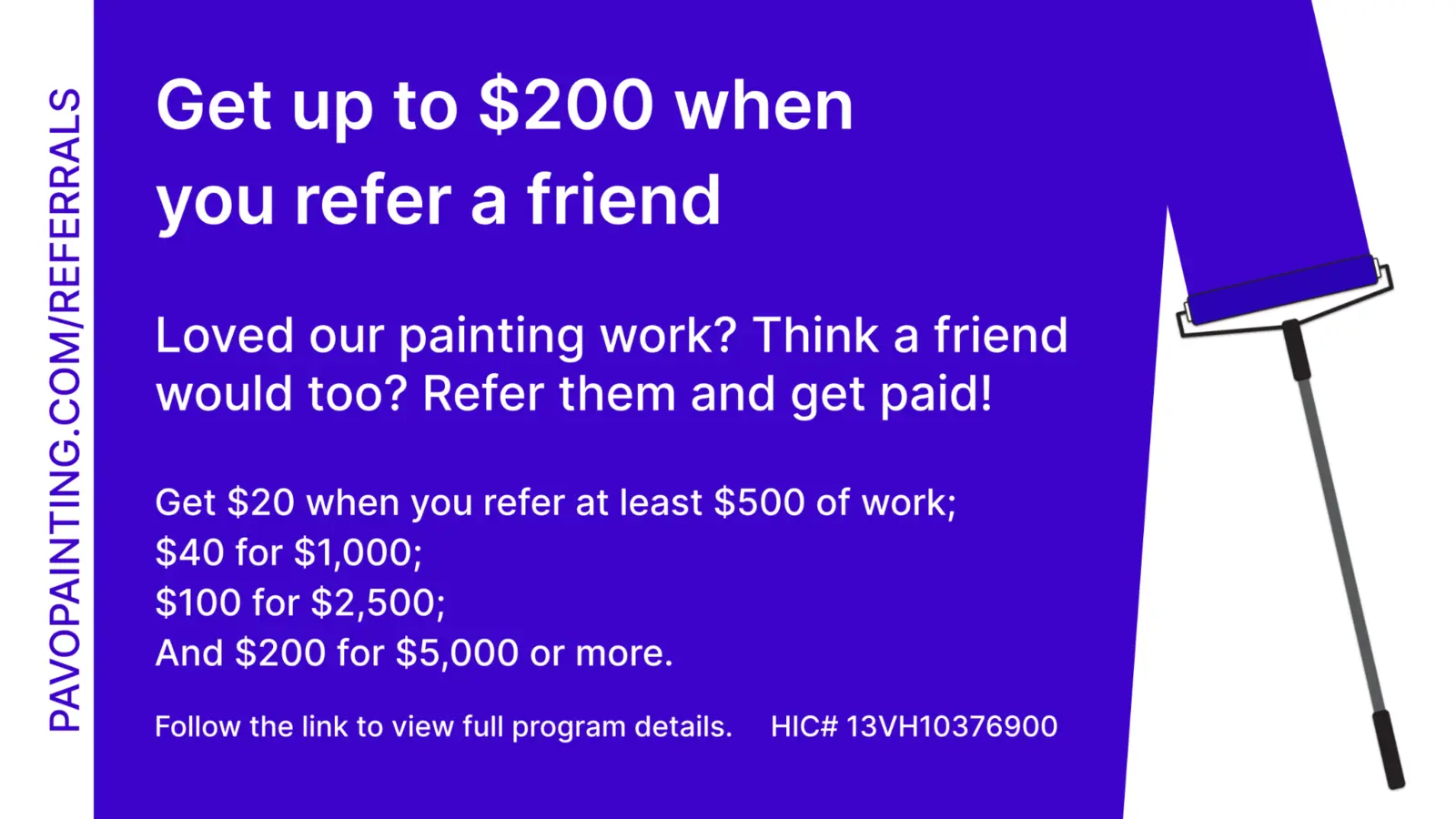
The product thesis extended into the details of running and replicating the business: a documented customer process, proposals, color specifications, recruiting, referrals, branded leave-behinds, and even water bottles. Individually they were small artifacts; together they pointed toward a system that another operator could eventually adopt.


Viridi · Founder · 2016
My first entrepreneurial project: compact, illuminated indoor gardens for people who wanted to grow plants without access to a traditional garden.
First venture / Age 16
In 2016, I believed that more agriculture would eventually move indoors. Viridi was my first attempt to make that future tangible: a furniture-like mini garden for apartment residents who did not have outdoor growing space.
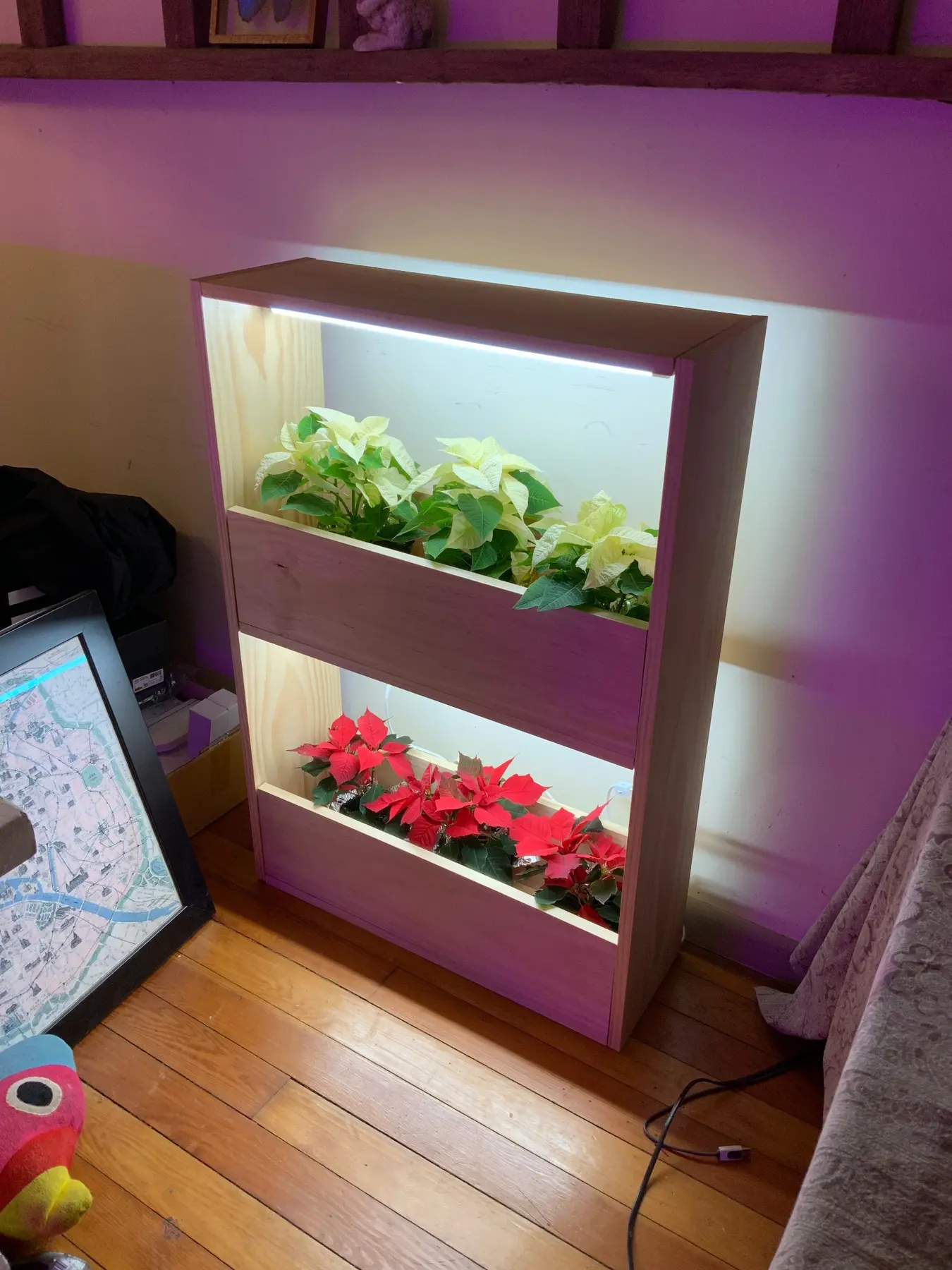
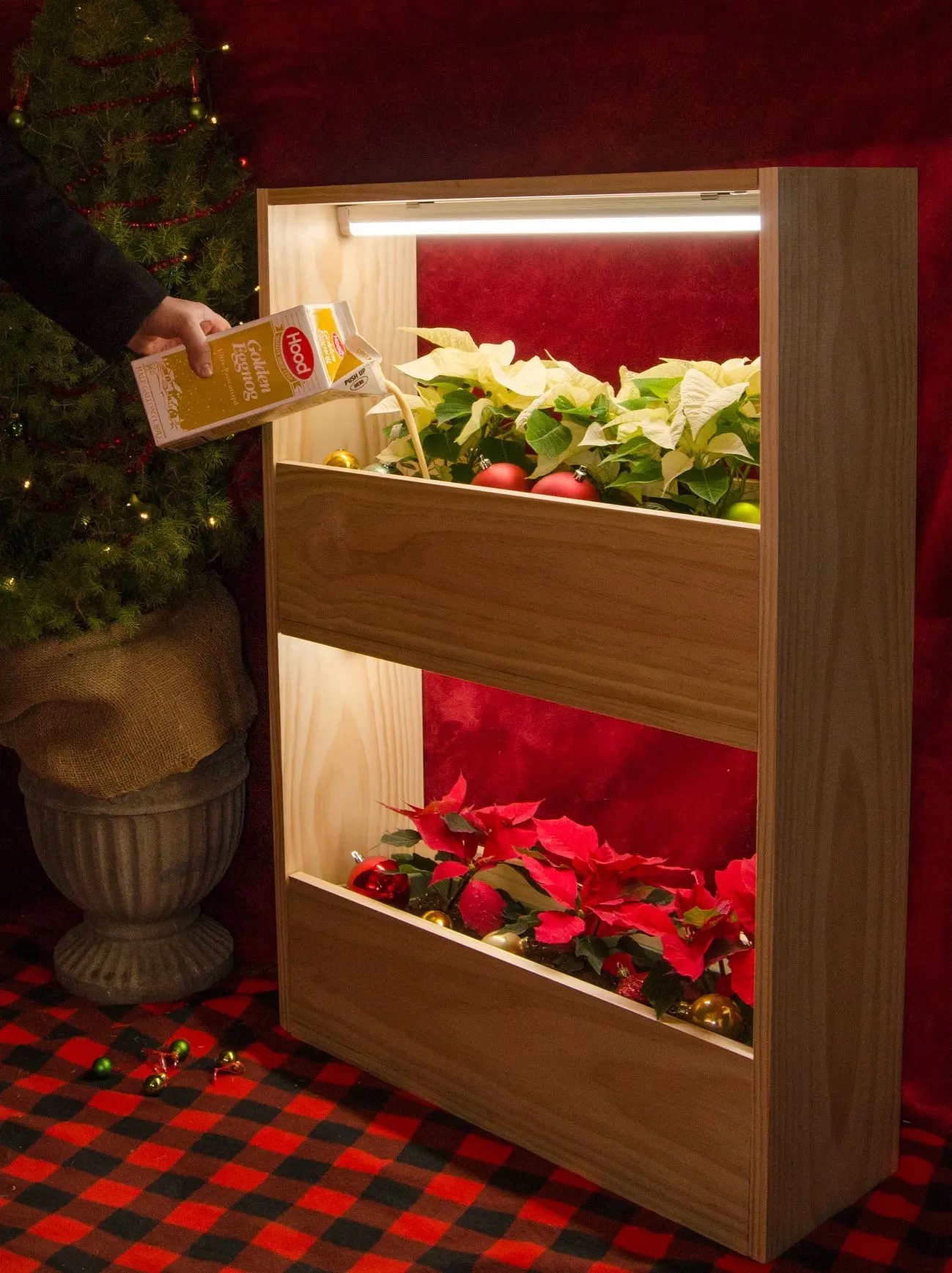
We designed the wooden enclosure around rectangular plastic planters and integrated grow lights, then manufactured the units ourselves in my basement with a drill press and circular saw. The project taught me that a product idea becomes much more interesting when you have to make it, price it, and put it in a real room.
The product system
The enclosure, planters, and lighting were designed together so the garden could live inside a small home rather than feel like improvised growing equipment.
User
The concept was aimed at apartment residents and anyone who wanted a compact alternative to a conventional garden.
Architecture
Two illuminated growing levels were sized around readily available rectangular planters and packaged in a clean wood frame.
Manufacturing
A simple shop setup forced us to think concretely about materials, assembly, repeatability, cost, and finish quality.
Historical material from my first entrepreneurship project; language and market assumptions reflect the idea at the time.
Competitive Call of Duty · 2012–2015
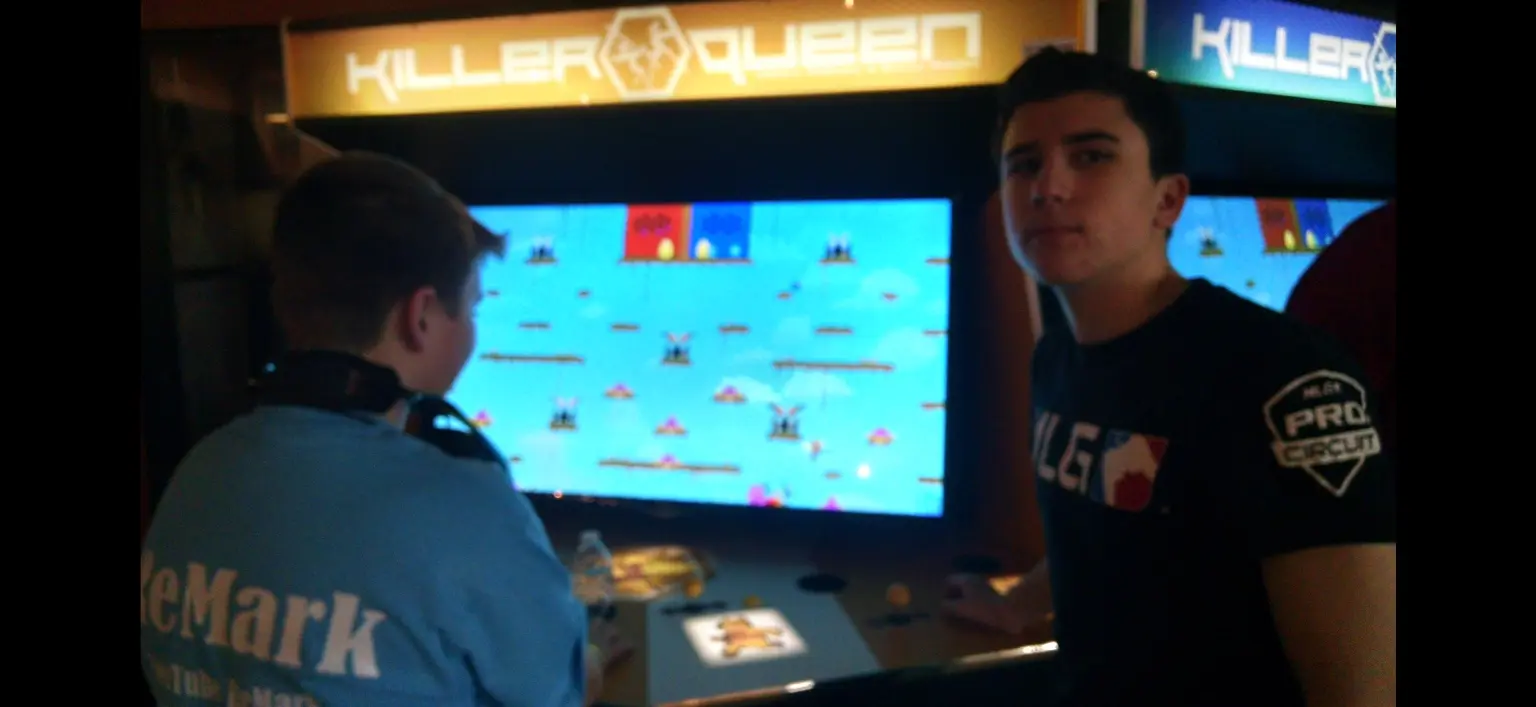
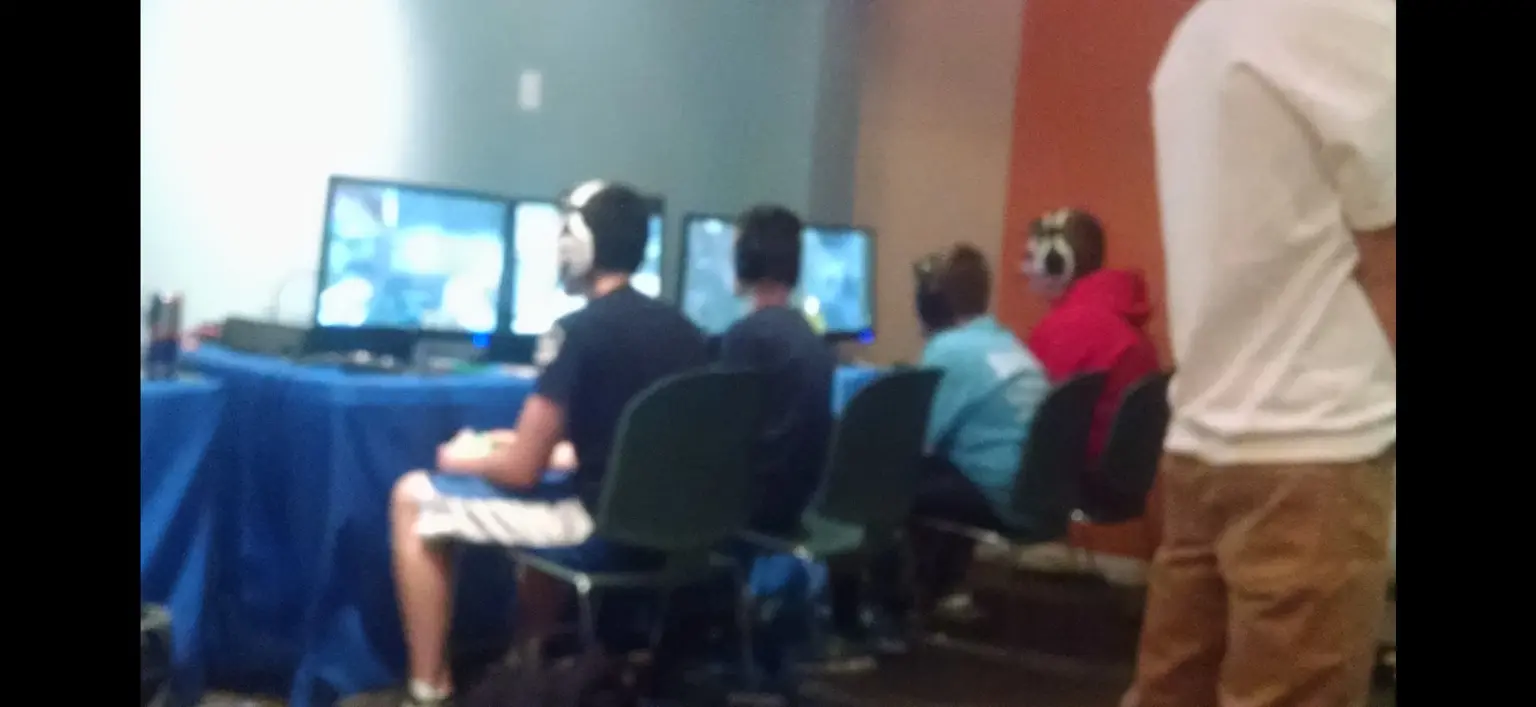
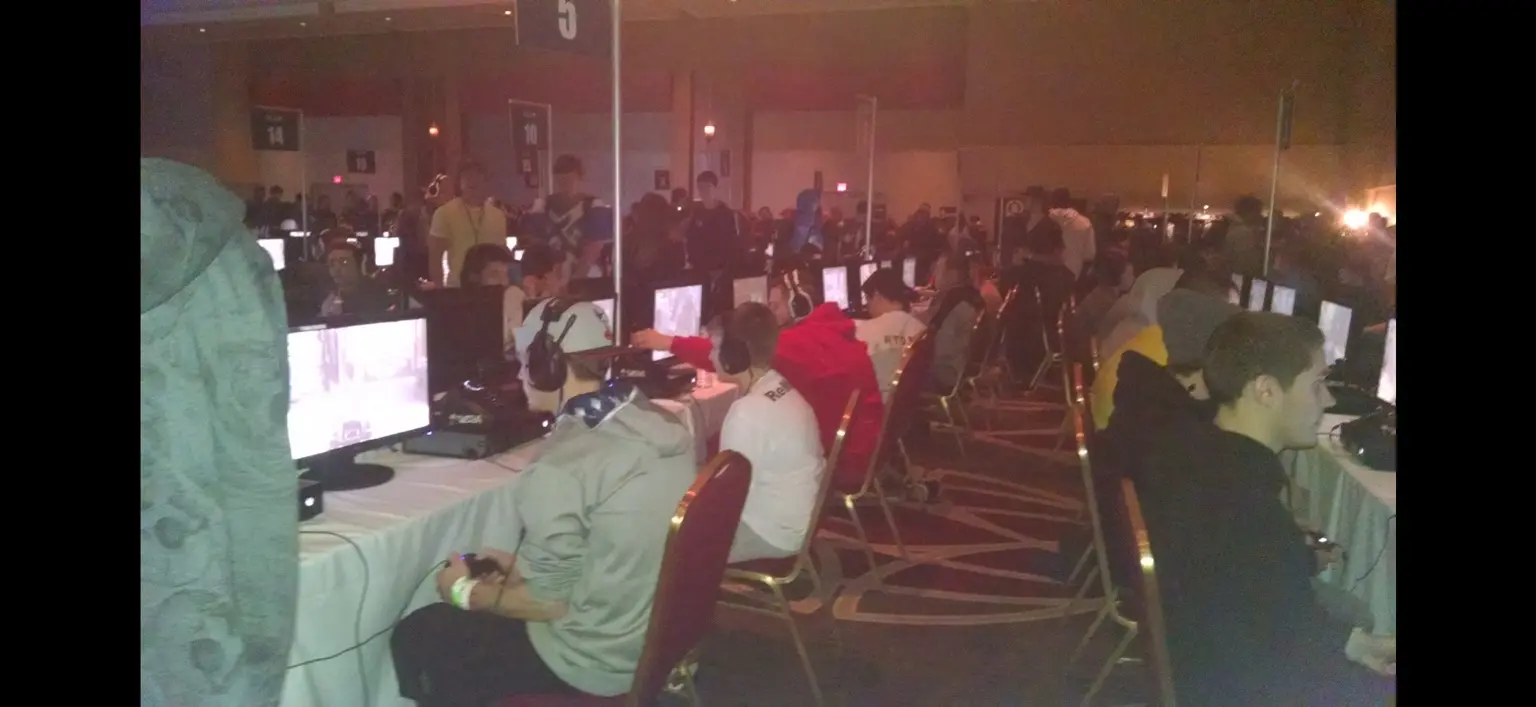
Accumulated 4,600 MLG Pro Points during the Advanced Warfare era and reached approximately the top 250 on MLG’s competitive leaderboard.
MLG Pro Points were the circuit currency of competitive Call of Duty: players earned them through sanctioned competition, and the totals helped determine standings and event seeding.
View the contemporaneous April 2015 post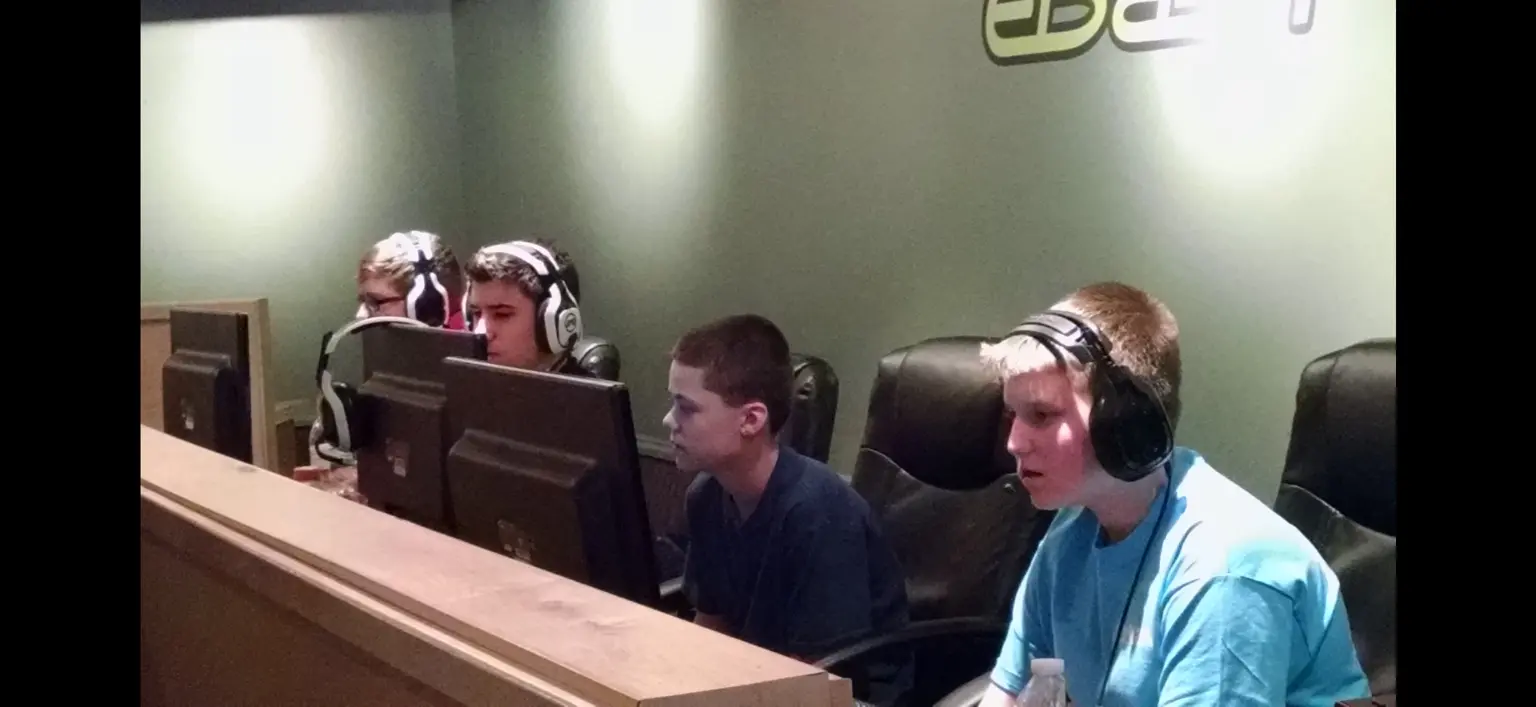
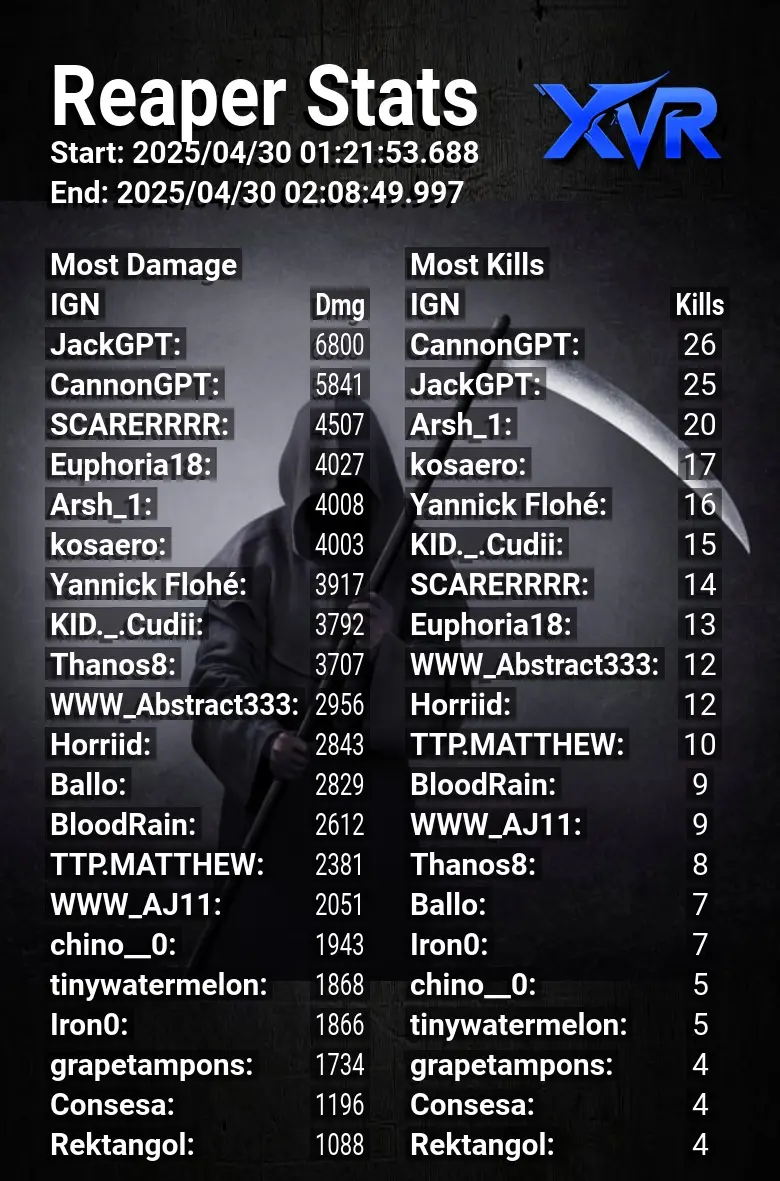
POPULATION: ONE (Pop1) · JackGPT · 2023–2025
Reached the global top 20 as a generalist competitor, in-game leader, and systems-focused student of one of VR’s deepest competitive games.
Competitive philosophy
I wanted no weak phase of play: movement, aim, weapon fluency, positioning, macro strategy, and leadership all had to hold up at the highest level. Rather than optimize for a narrow role, I trained to become the player who could solve whatever state the match produced.
That same systems view now shapes PCBR: strategic depth comes from the interaction between many individually learnable skills, not from a single dominant mechanic.
Watch POPULATION: ONE gameplay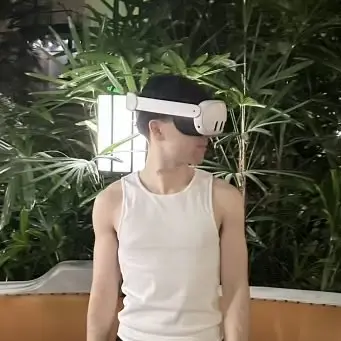
Leadership / Communications
As an IGL, I built a hierarchical naming system that let our team communicate locations with far greater precision than a ping. It became one of our clearest competitive advantages, and other teams later began experimenting with similar techniques after hearing the callouts on our streams.
AStructure family or map area—for example, apartments.
4The specific structure, indexed geographically.
BThe sub-structure, often ordered by relative size.
“Red Hattie, 50 HP, A4B, floor two.”Character, remaining health, exact building, and floor—in a single callout, without requiring a teammate to find a ping.
Weapon & inventory theory
At my peak, I developed world-class mastery of the MK-18, SPR, and TEC-9—not simply for their raw output, but for the strategic options they created.
MK-18
Its recoil and burst timing made one-handed control extremely difficult. Learning it anyway let me fire over cover while peeking less of my body and preserve its elite far-mid-range damage and build-breaking utility.
TEC-9
It combined super-close-range time-to-elimination with enough reach for head peeks and close-mid-range fights. Covering the jobs of both shotgun and SMG created room for another health item.
SPR
Before it was later nerfed, the SPR offered exceptional sniper output. I invested heavily in mastering it while that strategic window existed.
Deliberate practice
I treated difficult mechanics as learnable functions rather than fixed talents. If a behavior was physically possible, I trusted that enough high-quality signal and systematic practice could teach my brain to approximate it.
Data quality meant engineering the training environment—not simply reviewing matches. Cannon and I built custom maps to isolate individual skills, then spent most of our hours in 1v1, 2v2, and 3v3 team deathmatch against the best players in the world. High-Elo solo queue added a different challenge: winning against coordinated teams while paired with weaker random teammates demanded better positioning and more strategic fights.
01Data diversityCombine isolated drills, elite custom matches, and unpredictable solo queue.
02Training scaleUse repeatable environments to produce far more useful repetitions per hour.
03Data qualityConcentrate practice on the exact skill being learned and the strongest opposition available.
04RecoverySupport learning with excellent sleep, diet, and exercise.
Current focus
PCBR is an original VR battle royale built around a demanding design goal: easy for a new player to enjoy, with no practical ceiling on mastery. I am developing it with my co-founder through Studio PC.
In parallel, I am developing an AI-native way of working. I use advanced models as collaborators across disciplines—not simply to generate text, but to investigate, reason, prototype, critique, and execute at a speed that would previously have required a much larger team.
This site was designed, written, built, and deployed with AI in one evening.
Start a conversation
I’m currently building Studio PC, and I’m always open to thoughtful conversations about AI-enabled work, product strategy, competitive systems, and new ventures.
jack@studiopc.io